Clúster Agrotech Canarias took part for the first time in Transfiere 2026, the European Forum for Science, Technology and Innovation held in Málaga from 24 to 26 February. It joined a roundtable focused on one of agricultural innovation’s main challenges: ensuring that technological solutions developed and tested in pilot projects are put into use on farms.
Entitled “Agrotech in extreme territories: from pilot projects to real-world transfer”, the discussion brought together representatives of different organisations from the technology and agri-food ecosystem to analyse the barriers between developing new solutions and their effective adoption by producers.
Carlos Armas Rodríguez, a member of the Board of Directors, represented Clúster Agrotech Canarias alongside representatives of Canarias Excelencia Tecnológica, the Tecnova Technology Centre, Clúster Innovacal and the Asociación Canaria de Startups EMERGE, which also sits on the Clúster’s Board of Directors.
From pilot project to application on farms
The roundtable raised a particularly relevant question for the sector: how to turn funded projects and pilot trials into solutions that can become part of everyday farming operations.
Developing technology is only one part of the innovation process. For it to deliver results, its transfer, adaptation and adoption by people working in the primary sector need to be supported.
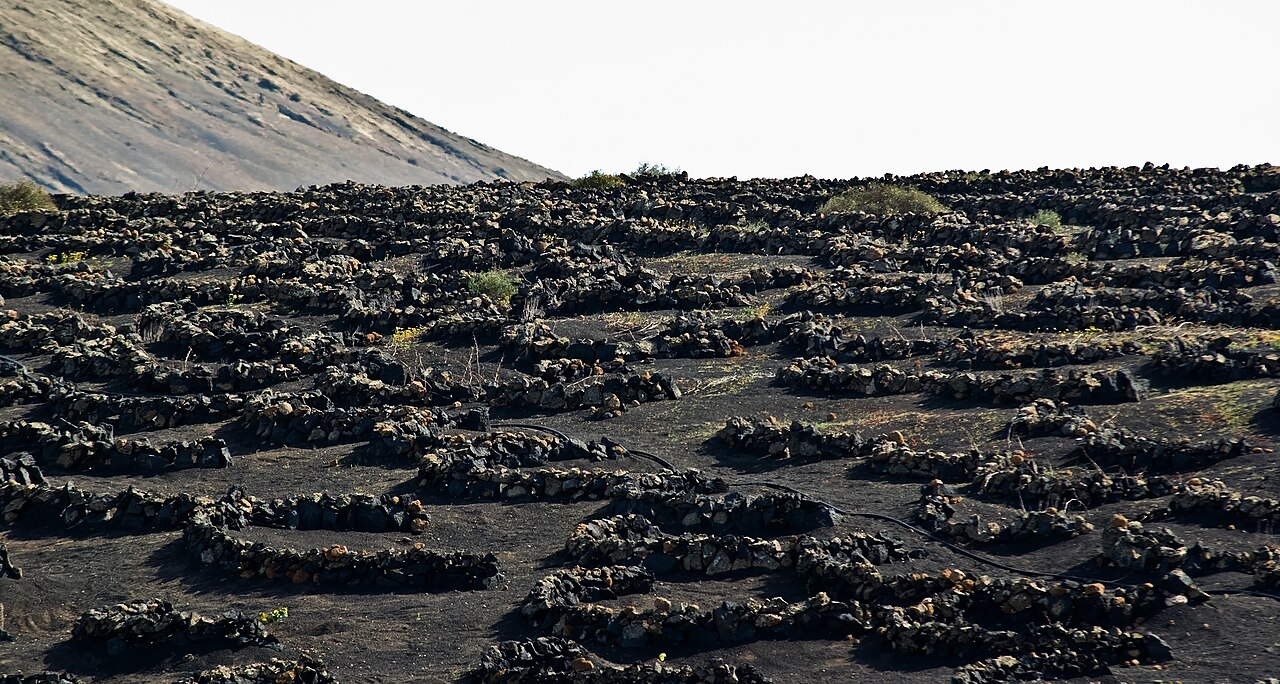
In territories such as the Canary Islands, with their distinctive geographical, climatic and production conditions, this challenge is particularly important. Technological solutions must address real needs and demonstrate their usefulness under the territory’s specific conditions.
The Canary Islands as an environment for agrotechnological innovation
Taking part in Transfiere enabled Clúster Agrotech Canarias to bring this perspective to a meeting place for companies, research centres, technology organisations and other members of the innovation ecosystem.
The Clúster promotes an applied innovation model that seeks to connect technological capabilities with the challenges facing the primary sector, advancing collaborative projects and supporting the validation of solutions under real-world conditions.
This first appearance at Transfiere also offers an opportunity to raise the profile of the Canary Islands’ agrotechnology ecosystem and strengthen connections with organisations in other regions working on the development and transfer of agricultural technology.